Vitamin D: Deficiency, Testing and What Supplements Do

Low vitamin D is common, but testing and supplement evidence are more limited than the headlines suggest. What the number means and when to ask.
Low vitamin D is common, but testing and supplement evidence are more limited than the headlines suggest. What the number means and when to ask.

Ultra-processed food is linked to worse health, but the headlines outrun the evidence. What trials show, what cohort studies can't.

Most adults eat about half the fiber they need, and adding it too fast backfires. How to close the gap without a week of bloating.
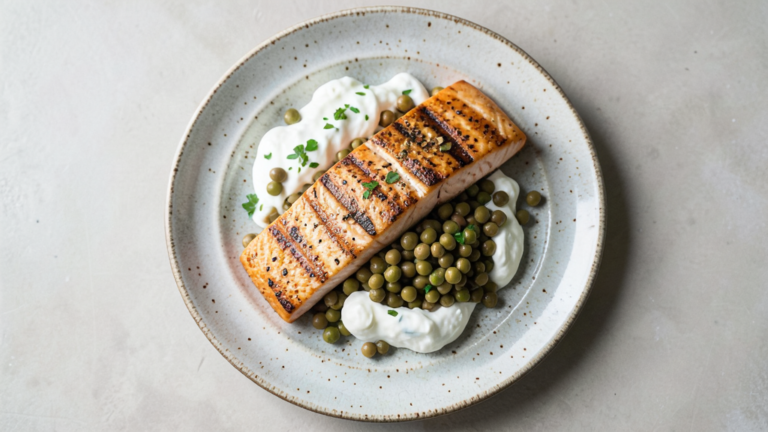
Protein advice is either a gym slogan or a study of 22-year-old athletes. Here's what the research says for your weight, age, and training.

Aerobic training drops systolic pressure by roughly 5 to 8 points. What strength work and isometric holds add, and where the real risks sit.

Zone 2 is the pace where you can talk but not sing. What the evidence supports, what it doesn't, and how to find your band without a lab test.

Two lifting days, six movements, and a progression rule that needs no spreadsheet. A beginner strength plan built to survive a bad week.

Fatigue and weight gain get blamed on everything but the thyroid. The symptoms that get missed, what TSH actually measures, and how treatment is followed.

LDL, HDL, triglycerides: the printout isn't a pass-fail sheet. What each number means, how risk changes your target, and when statins are worth a talk.

A 138 over 86 at a routine visit isn't a verdict. What systolic and diastolic really measure, where your numbers fall, and what actually moves them.