What Is Neuro-Nutrition?
Neuro-nutrition is the emerging field that studies the relationship between nutrition and brain health. It explores how specific nutrients, dietary patterns, and eating behaviors influence cognitive function, memory, mood, and long-term brain health. As research advances, we’re learning more about how what we eat directly affects how our brains work.
Key Nutrients for Cognitive Enhancement
1. Omega-3 Fatty Acids
Omega-3s, particularly DHA, are fundamental building blocks of brain cell membranes. Found in fatty fish (salmon, sardines, mackerel), walnuts, and flaxseeds, omega-3s support neuron function, reduce inflammation, and have been linked to improved memory and reduced risk of cognitive decline.
2. B Vitamins (Especially B6, B12, and Folate)
B vitamins play key roles in brain function, including the production of neurotransmitters like serotonin and dopamine. They also help lower homocysteine levels, which when elevated, are associated with increased risk of Alzheimer’s disease and cognitive decline.
3. Antioxidants
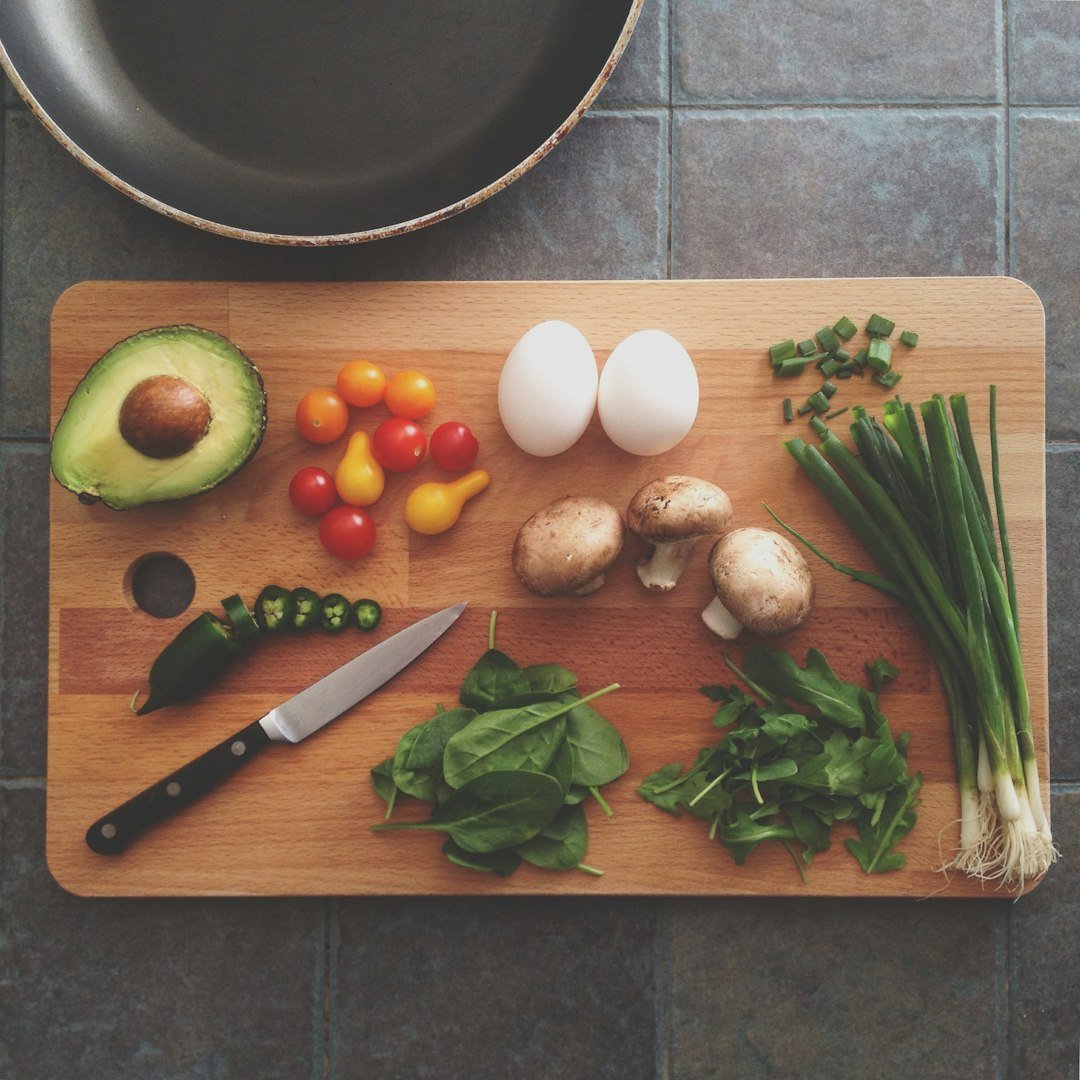
Flavonoids, vitamin E, and vitamin C protect brain cells from oxidative stress and inflammation. Berries (especially blueberries), dark chocolate, green tea, and colorful vegetables are excellent sources of brain-protective antioxidants.
4. Choline
Choline is a precursor to acetylcholine, a neurotransmitter essential for memory and learning. Egg yolks, liver, soybeans, and broccoli are among the best dietary sources of choline.
Brain-Healthy Dietary Patterns
The Mediterranean Diet
Extensively studied for its cognitive benefits, the Mediterranean diet emphasizes vegetables, fruits, whole grains, legumes, nuts, olive oil, and fish. Multiple studies show it can slow age-related cognitive decline and reduce the risk of neurodegenerative diseases.
The MIND Diet
A hybrid of the Mediterranean and DASH diets, the MIND (Mental Improvement in Nutrition for Dementia) diet specifically targets brain health. It emphasizes leafy greens, berries, nuts, whole grains, and fish while limiting red meat, butter, and sweets.
Practical Tips for Better Brain Nutrition
- Eat a variety of colorful fruits and vegetables daily
- Include fatty fish at least twice per week
- Snack on walnuts and almonds instead of processed snacks
- Stay hydrated — even mild dehydration can impair cognitive performance
- Limit added sugars, which have been linked to brain inflammation
- Consider a high-quality multivitamin if your diet is lacking in key nutrients
The brain consumes about 20% of the body’s calories, so what you feed it matters immensely. Start with small, sustainable changes and notice the difference in your mental clarity and energy.